
Is Solar Battery Storage Worth It in Plymouth? A Local Installer’s Honest Take (2026)
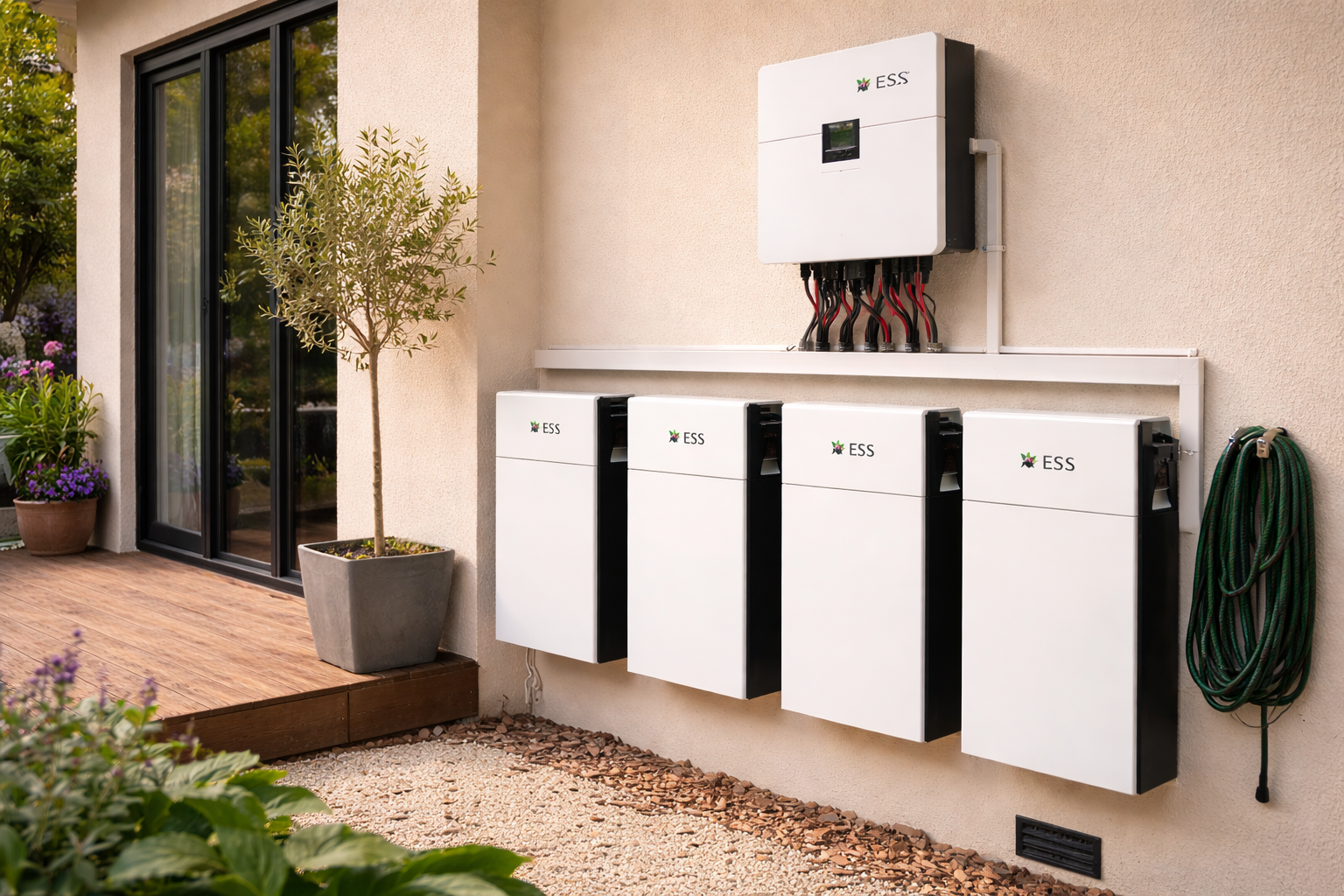
If you're looking into solar panels in Plymouth, you’ve probably wondered whether adding a battery is actually worth it.
We get asked this almost daily.
As a local installer working across Plymouth and the South West, here’s a straightforward, no-nonsense guide to whether solar battery storage makes sense for your home in 2026.
What Does a Solar Battery Actually Do?
Solar panels generate electricity during the day — usually when most people are out of the house.
Without a battery, a lot of that energy gets exported back to the grid.
A battery lets you store that excess solar energy and use it later in the evening, when electricity prices are highest and your home is using more power.
Why Batteries Make More Sense Now Than Ever
Battery storage used to be expensive, but things have changed quickly over the last few years.
Here’s why more Plymouth homeowners are adding them:
Electricity prices are higher
The more grid electricity costs, the more valuable stored solar becomes.
Better battery technology
Modern systems are safer, smarter, and last longer.
EVs and heat pumps
More homes are using electricity instead of gas — which makes storage more useful.
When a Solar Battery IS Worth It
In our experience, battery storage makes the most sense if:
You use most electricity in the evenings
You’re out during the day
You have (or want) an EV
You’re planning a heat pump
You want more energy independence
This is especially common in 3–4 bed detached homes around Plymouth.
When It Might Not Be Worth It
Battery storage isn’t always the right choice.
You might not need one if:
You’re home all day using solar live
You have very low electricity usage
Budget is tight and you want fastest payback
In some cases, starting with solar-only and adding a battery later is a smart move.
Typical Savings in Plymouth
Every home is different, but most of the systems we install locally see:
50–80% reduction in grid electricity use
Much higher self-consumption vs solar-only
Protection from rising energy prices
The exact savings depend on:
Roof size
Battery size
Usage patterns
That’s why we always design systems based on real usage, not generic estimates.
What Size Battery Do Most Homes Need?
For typical homes in Plymouth:
Small homes:
5kWh battery
3–4 bed homes:
10–12kWh battery (most common)
High usage homes:
15kWh+ or expandable systems
The good news is most modern systems can be expanded later.
The Biggest Mistake We See
The biggest issue isn’t batteries themselves — it’s poor system design.
Oversized batteries or badly matched systems can:
Increase payback time
Reduce efficiency
Waste money
A properly designed system should match your usage, not just maximise hardware.
Are Solar Batteries Worth It in 2026?
For many homeowners in Plymouth — yes, they are.
But not because of hype.
Because:
Energy prices are volatile
More homes are going electric
Storage gives flexibility and control
That said, the right answer always depends on your home and how you use energy.
Final Thoughts
If you're considering solar in Plymouth, the best thing you can do is get a system designed around your actual usage.
Some homes genuinely benefit from batteries.
Others are better starting with solar-only and upgrading later.
Honest advice matters more than ticking boxes.
If you’re curious what solar could look like on your home, we’re always happy to take a look and give honest feedback.
You can request a free solar design through our website, and we’ll send over a tailored layout and realistic savings estimate.
Quick FAQs
Do solar batteries work in winter?
Yes — they still store energy, though output is lower due to shorter daylight hours.
Can I add a battery later?
In most cases, yes. Many homeowners start with solar and add storage later.
How long do solar batteries last?
Most modern systems last 10–15+ years and come with strong warranties.
